In the passage
Paul urges speech that builds others up according to their needs and gives grace to those who hear.
For this practice
Consider the usefulness and likely effect of the words you plan to speak.
Guided activations · 23 / 40
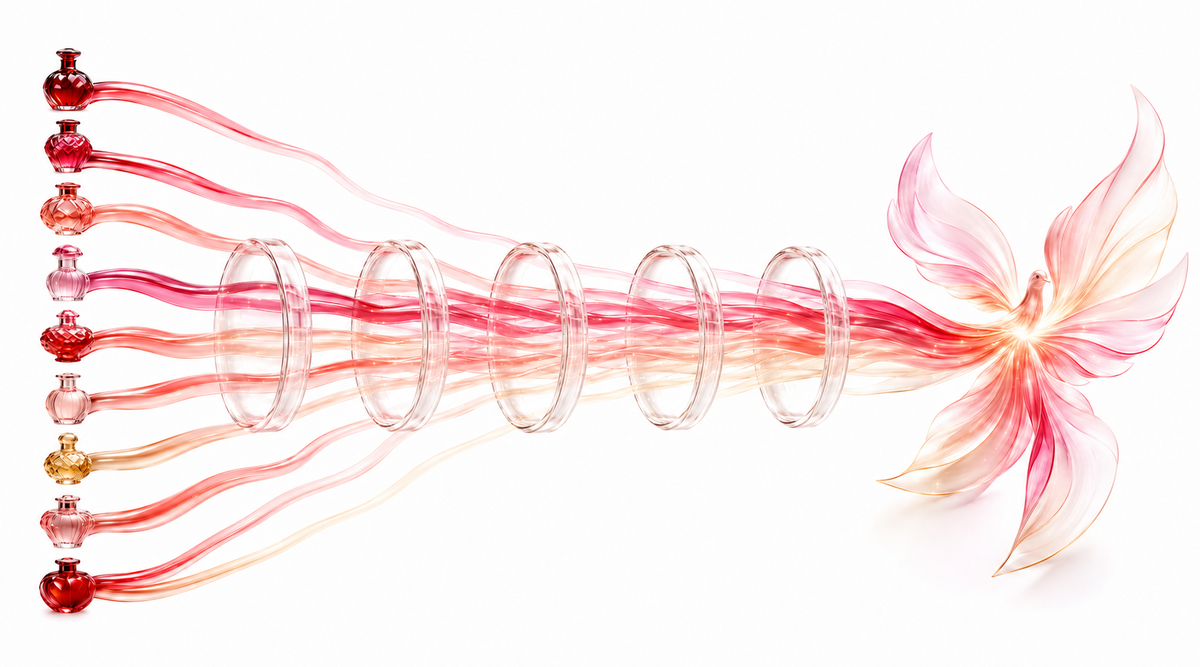
Prepare an impression for communication by examining its meaning, timing, wording, and likely effect.
What you will practice
Produce a brief, consent based communication that states the impression and preserves the recipient’s freedom to weigh it.
Choose your level of participation. Sharing, prayer, quiet observation, and a pause are all available.
Biblical foundations
Paul urges speech that builds others up according to their needs and gives grace to those who hear.
Consider the usefulness and likely effect of the words you plan to speak.
Paul describes prophecy in terms of strengthening, encouragement, and consolation.
Use these purposes to examine the focus of the proposed communication.
Passage links open the King James Version. Context and application notes are original teaching summaries.
Participant pathway
5 steps · 16 minutes
Write what you perceived in one sentence and the possible meaning in another. Identify any detail you would be adding through interpretation. Choose the central point that you can communicate clearly.
Reflect on the relationship, privacy, time available, and whether the person has welcomed this kind of conversation. Choose a setting in which the recipient can respond freely or decline.
Prepare a simple invitation: “May I share an impression for you to weigh?” Practice accepting either response graciously. If sharing is welcomed, agree whether the person wants a short spoken reflection or written wording.
Use plain language that names the impression as your experience and its meaning as something to consider. Offer encouragement without directing consequential decisions. Leave space for the recipient to say what fits, what is unclear, or what they prefer to hold.
Decide whether to share now, pray further, seek counsel, or keep the matter private. Record the reason. If you share, ask permission before keeping any response or identifying detail.
Fictional worked example
A fictional participant associates a steady candle with perseverance. With permission, she says, “I had an image of a steady candle, and it brought patient faithfulness to mind. I offer that for your reflection.” She gives the recipient time to respond and receives uncertainty with respect.
Pause and reflect
What part of the wording comes directly from the impression?
How can the recipient freely weigh or decline what I offer?
What timing and setting best support care and understanding?
A short prepared communication, a consent invitation, a timing decision, and one recipient centered revision.
Open the Q45 journey journalRecord your exercise number, observations, interpretation, open questions, and chosen response in your own journal or the existing account connected journal.
Invite participants to prepare words with the recipient’s dignity and freedom at the center.
Ask the practice recipient what felt understandable and what needed clarification. Invite the speaker to make one precise revision.
Use written exchanges, silent drafting, or facilitator demonstration. A participant may practice asking permission without sharing personal material.
Agree on confidentiality and consent before sharing personal experiences. Invite participants to weigh impressions through Scripture, prayer, trusted counsel, and the fruit of their responses over time.