
Set one purpose and two dates
A short series works best when participants can see how the second gathering builds on the first. Ask the local host to identify one audience, one useful result and two realistic dates. Agree on the venue and a way for people to ask about access.
Use the first gathering to choose an action
A Gifts and Strengths session can help people notice an ordinary way they contribute. A Listening Post can help a community name a question. Close the first gathering with one small practice people can try in their setting and an invitation to return.
Offer a small task between gatherings
Choose a task that people can fit into ordinary life. For example, a fictional host invites participants to ask a neighbor, with their consent, what would make a community gathering easier to join. A participant can return with a general observation or reflect privately.
Use the second gathering to hear what happened
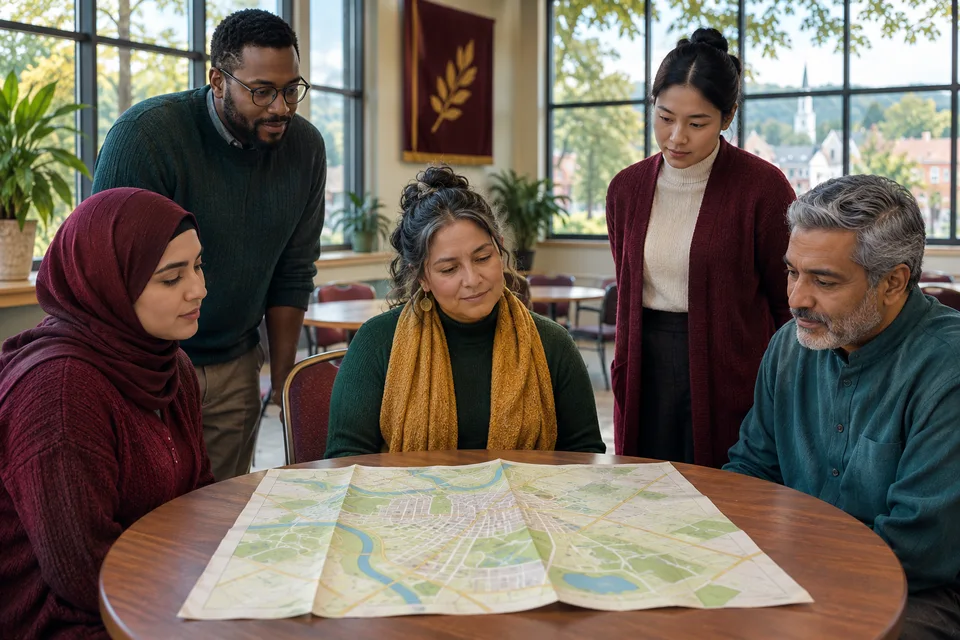
Ask participants what they tried, what they learned and what the group should do next. Record only agreed information. Make space for people who missed the first gathering with a one sentence explanation and a copy of the shared prompt.
Prepare the roles, supplies, and review
Assign a host, facilitator and one person to manage materials or timing. List the dates, expected outcome, volunteer roles and itemized supplies. If exploring external support, confirm the proposed structure and expenses with the funding organization before relying on funding.

Common questions
Can I support only one of the two dates?
Yes. Agree on a specific job and tell the host what the next volunteer will need.
Can the second meeting be a Listening Post?
Choose that format if the shared outcome calls for hearing local perspectives. Confirm the invitation and notes policy with the host.
Scripture for further reading
Read each passage in context as you consider the practice.
- Galatians 6:9–10
Put the guide into practice