
Start from what people asked for
At a Listening Post, ask participants to name a practical question in their own words. Reflect the shared issue back to the room and invite correction. If people raise several issues, ask which one the group can carry into the next conversation.
Write an outcome people can observe
Try this sentence: ‘By the end of the gathering, the group will have one practical step it can review by an agreed date.’ A workshop might produce a completed contribution map. A roundtable might produce one opportunity statement, a contact person and a date.
Agree on appropriate evidence
Decide with the host whether a count, a shared worksheet or a summary is sufficient. Let people choose what they share. Collect names, stories or contact information only where the activity calls for it and the person has agreed to that use. Keep a simple record of decisions the group authorized for follow through.
Use a simple example to check the wording
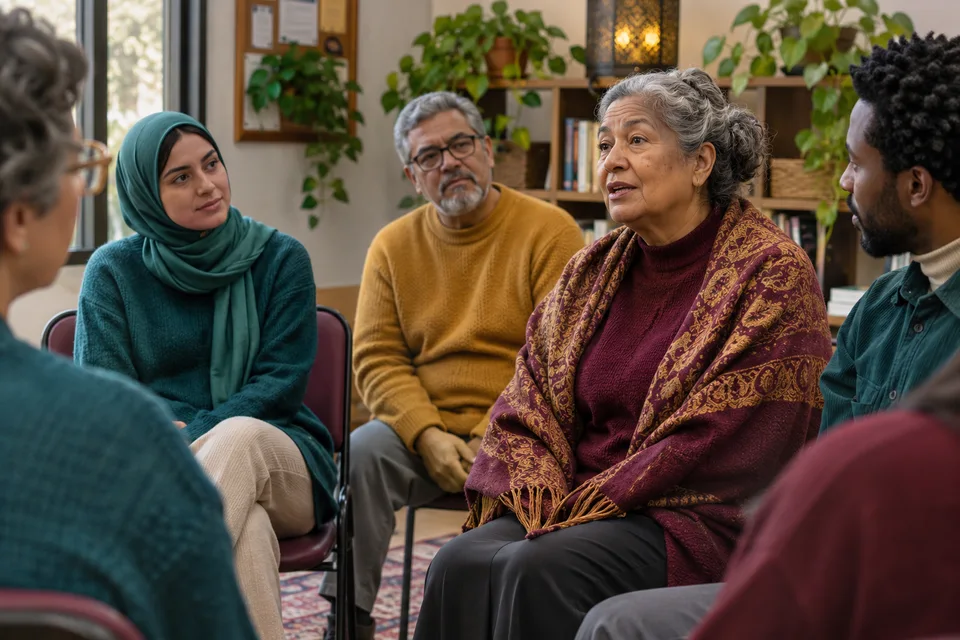
In a fictional gathering, six residents name ideas for helping newcomers find the meeting room. The written outcome is one agreed arrival instruction that the host will test at the next meeting. The organizers can check whether the instruction was tried using a shared note.
Report what happened and decide what follows
At the review date, write one sentence on what happened, one on what helped, and one on what should happen next. Send the authorized summary to the people who need it. If the activity raised a question beyond the team's role, identify the appropriate local contact.
Common questions
Is attendance alone an outcome?
Attendance describes reach. Add what participants or organizers gained, agreed to try, or created together.
Can volunteers keep their personal reflection private?
Yes. Agree on an optional way to share a practical next step and let the participant decide what else to disclose.
Scripture for further reading
Read each passage in context as you consider the practice.
- James 1:19
Put the guide into practice