Convergence Gifts · 16 min read
Spiritual Gifts for Church Leaders: Building Teams Around Evidence, Character, and Service
A church leader’s guide to using spiritual gifts assessments for team formation, ministry placement, discipleship, safeguarding, and healthy multiplication.
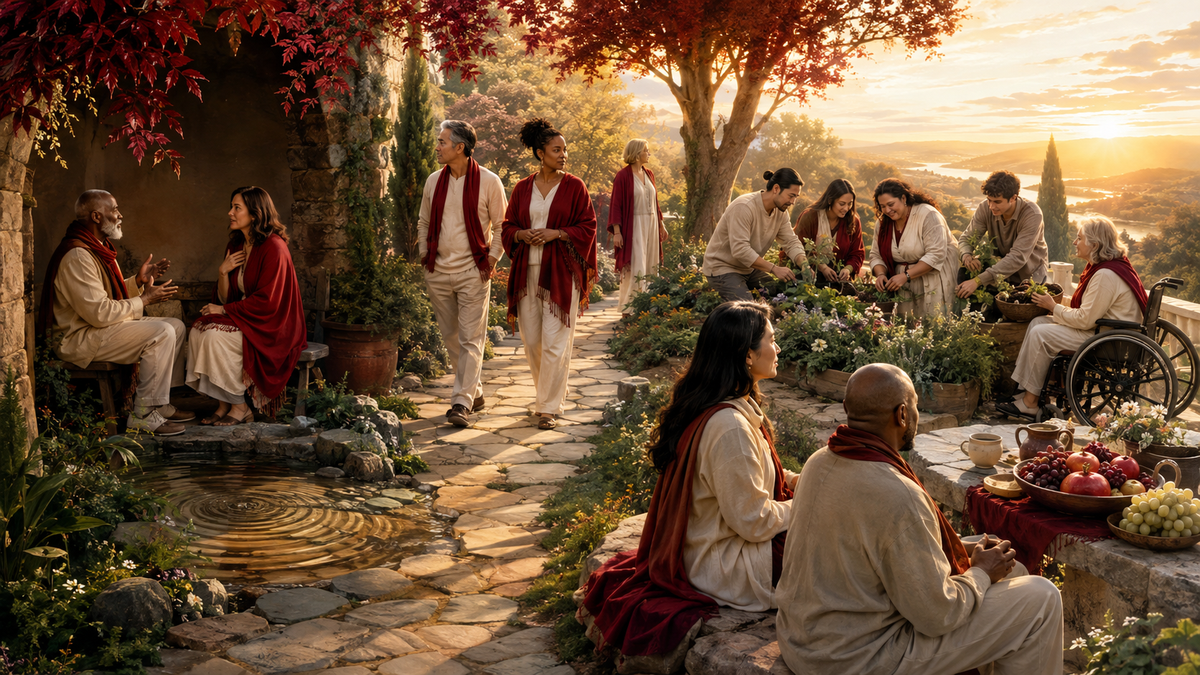
Begin with formation rather than placement
A gifts inventory can inform ministry placement, yet its deeper value lies in formation. Leaders can help people recognize patterns, practice responsibly, receive feedback, develop skill, and serve with character. This approach reduces pressure to produce an immediate label and creates room for emerging gifts, changing seasons, disability, cross cultural learning, and previously limited opportunity.
Read evidence before assigning responsibility
A high total deserves examination of its evidence pattern. Leadership responsibility requires more than Resonance. Look for repeated Practice, credible Fruit, Community Confirmation, and Stewardship. Review life history, doctrine, character, relational health, competence, safeguarding needs, and role specific requirements. A gift score can begin a conversation. Appointment and authority require a broader process.
Build complementary teams
Healthy teams gather complementary constellations. A pioneering leader may need Administration, Shepherding, Wisdom, and Helping around the vision. A teaching ministry may need Knowledge, Encouragement, Hospitality, Discernment, and technical service. A care team may need Mercy, Shepherding, Giving, Wisdom, and clear referral capacity. Mapping the team reveals both strengths and unattended responsibilities.
Design proportionate activation
Create low stakes laboratories before high responsibility roles. Emerging teachers can offer short lessons and receive learner feedback. Developing leaders can guide a bounded project. People exploring hospitality can shape a welcome experience. Prophetic practice can begin with brief strengthening impressions under trained oversight. Match supervision and safeguards to the consequence of the activity.
Protect people and the community
Publish community agreements, incident procedures, confidentiality limits, child safety rules, touch consent, medical and mental health referral pathways, and standards for testimony. Ensure participants can pass or pause. Do not use results to pressure service, determine worth, justify unchecked authority, or replace qualified professional assessment.
Measure what matters
Track understanding, participation, observer agreement, service fruit, retention, accessibility, boundary concerns, incident patterns, and participant agency. Review whether placements serve both the person and the community. Gather data at 24 hours, 72 hours, 30 days, and eight to twelve weeks. Use findings to improve language, facilitation, oversight, and opportunity.
Cultivate multiplication
A mature gifts culture helps people recognize grace in one another, share responsibility, develop successors, and release new service. Leaders model humility by receiving feedback and naming their own boundaries. The result is a community where gifts build the body, character governs influence, and every expression remains accountable to love.