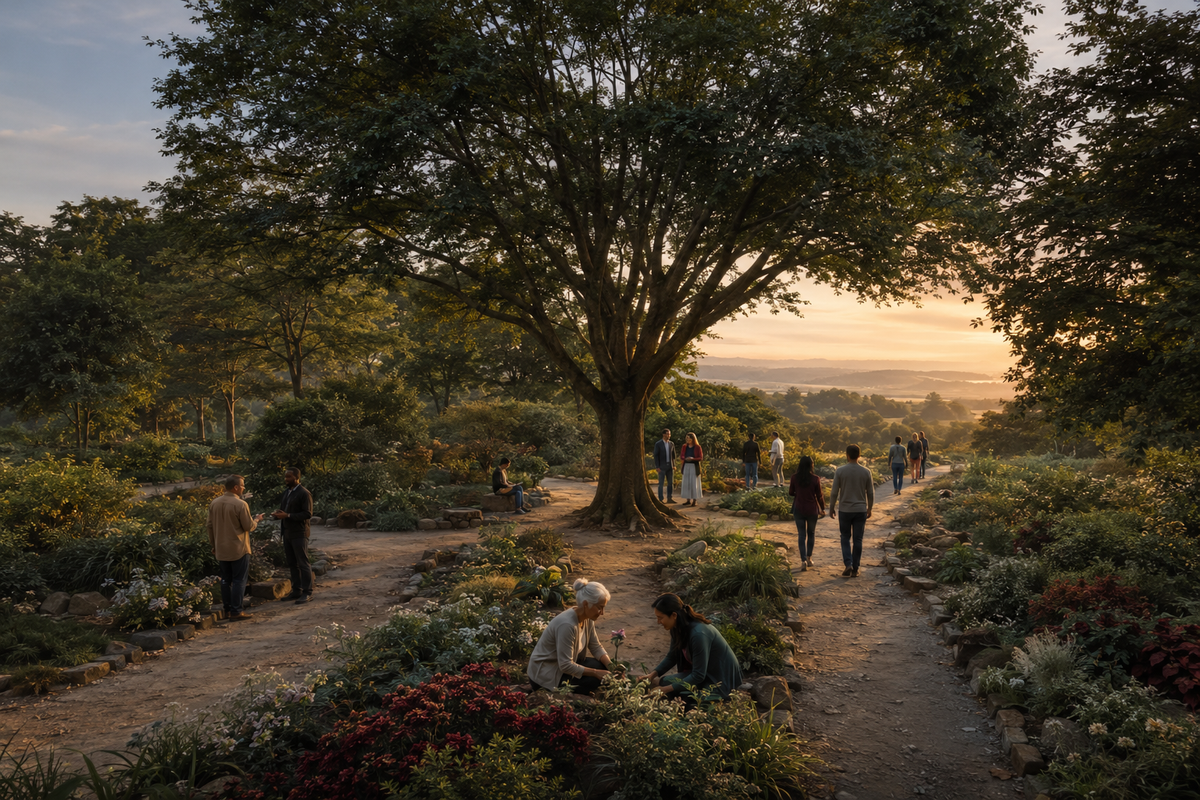
Let the whole dream govern meaning is the central integration movement.
Dream Interpretation Wheel Studio
Ten visual wheels. Ten canonical steps. One whole dream method.
The earlier set contained nine visual designs, while the method itself contained ten steps. The collection now contains ten original visual themes, each aligned to the same complete pathway.
Alabaster Sanctuary completes the design collection.
Each workbook case can travel through the same ten step path.
Ten themes · one canonical method
Choose the visual doorway. Keep the same ten step path.
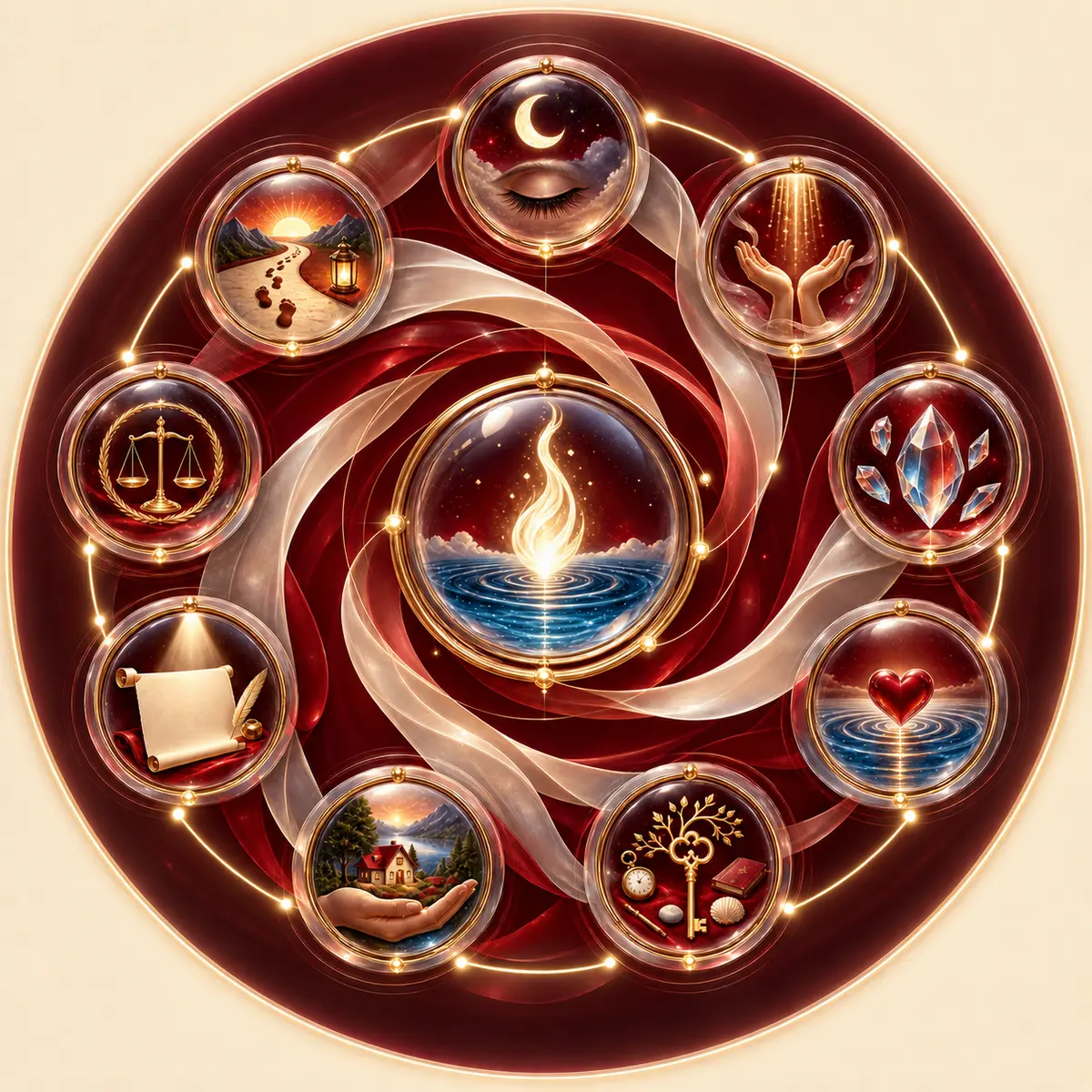
Every visual theme opens the same saved record. Nine outer chambers represent steps 1–9; the center represents step 10, where the complete dream governs every part. Response, return, fruit, correction, confirmation, and open questions remain inside this accountable review.
0/10steps practiced
Prompt languageThe method, evidence standard, and safeguards remain unchanged.
Capture the dream
What happened in the dream from beginning to end? Record what you remember, even when a detail is incomplete.
PracticePreserve the fullest remembered account before analysis. Date later recollections and mark uncertainty instead of filling gaps.
Visual keyAn eye, crescent moon, and receiving vessel
Device or browser dictation may enter text in the focused field; the Site does not save audio. Narration is ready when supported by this browser. Gathering your saved record…
Canonical cross conversation alignment
The tenth chamber is whole dream integration.
Response, safeguards, return dates, correction, and fruit remain essential practices. They sit inside testing, humble uncertainty, and the final whole dream review instead of replacing the canonical ninth and tenth steps.
- 1Capture the dream
Preserve the fullest remembered account before analysis. Date later recollections and mark uncertainty instead of filling gaps.
- 2Identify the complete structure
Name the setting, people, actions, objects, sequence, atmosphere, turning point, and outcome without assigning meaning.
- 3Consider personal and historical context
Place every major detail within the dreamer’s life, history, culture, relationships, responsibilities, and present season.
- 4Generate associations
Generate several plausible personal, cultural, contextual, and scriptural associations while keeping alternatives open.
- 5Examine Scripture
Read relevant passages in literary and historical context. Record their teaching, resonance, and interpretive limits.
- 6Preserve distinctions among observation, association, interpretation, and application
Label statements as observation, association, interpretation, or application so possibility does not quietly become conclusion or command.
- 7Reassemble coherently
Write several candidate readings, including the strongest alternative, that account for the major elements and movement together.
- 8Test the interpretation
Use the seven witnesses to test each proposal. Separately document verified facts, material counterevidence, open questions, and confidence for theme, timing, identity, and application.
- 9Hold uncertainty humbly
State confidence separately for theme, timing, identity, and application. Preserve unresolved details, choose only proportionate and reversible responses, and schedule a later review.
- 10Let the whole dream govern meaning
Return every proposed meaning and response to the complete sequence, atmosphere, turning point, and outcome. Record fruit, correction, confirmation, and what remains open.
Deep Waters, Clear Light
Ten workbook cases, carried through one method.
These are the ten cases attached to the canonical workbook pathway. The larger Site case library remains available as additional original practice material.
- 01The Library Beneath the Orchard
- 02The Train That Waited at Dawn
- 03The House with Three Kitchens
- 04The Museum Under Clear Water
- 05The Bridge of Listening Stones
- 06The Garden Behind the Night Hospital
- 07The Market of Unwritten Labels
- 08The Lighthouse Facing the Hills
- 09The Garment in the Workshop
- 10The City Beneath the Snow