Convergence Q45
Studio menu
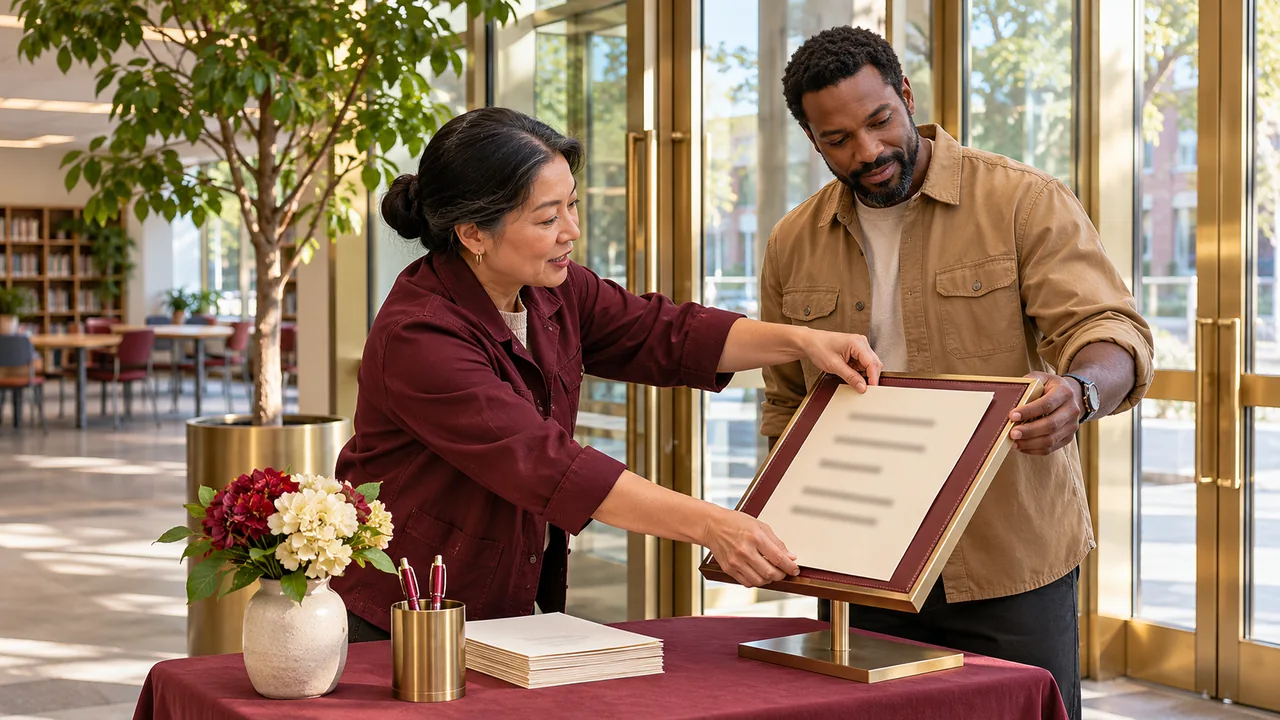
Two workshop hosts adjust a printed handout on a stand at a sunlit entrance.

Community hospitality

How to prepare a welcome table for a walk-in workshop

A visitor arriving alone should be able to see where to begin, choose how to take part and find the first prompt. Rehearse that arrival before the room opens.

Convergence Q45 ·

Stand where a first-time visitor will stand

Approach the room from its actual entrance. Look for the working title, where to sit and what someone should take from the table. A beautiful display can be hard to use if all the instructions face the volunteers behind it. Turn the first prompt toward the arriving guest and leave a place to set down a bag or write.

Offer a paper route and a phone route

Lay out the session card with the supplies it calls for. Place the phone link beside it and open that link on a second device before anyone arrives. A person can prefer a paper copy because of screen glare, battery life, font size or simple habit. The welcome works best when either choice leads to the same opening activity.
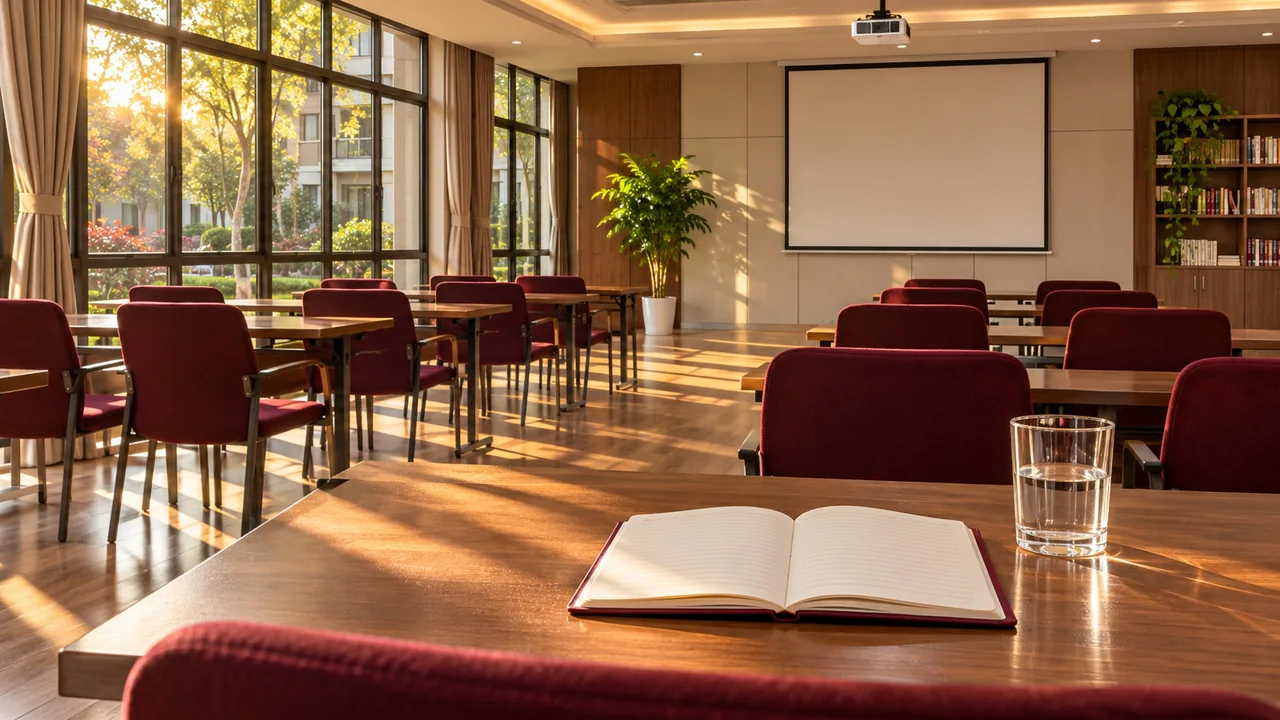
A quiet workshop room set with notebooks and glasses of water.

Practice a short welcome

Try “You can begin with the prompt on this card or use it on your phone. You are welcome to write quietly or discuss it with a partner.” Then step back and let the visitor find the first instruction. In a rehearsal, a volunteer can play someone arriving ten minutes late. Watch which questions that arrival creates for the host.

Capture a host observation

If a visitor has to ask where to start, record what they could see from the entrance and which instruction was missing. Keep a clear route to the host for anyone who wants assistance. Once a session ends, take private working papers out of view and invite participants to keep their own reflections. Put suggestions about the arrival experience in the group feedback form.

Related field notes

A volunteer wearing earbuds reviews a worksheet beside a laptop at home.

Remote volunteering

How two remote volunteers can test one workshop handoff

One volunteer follows a workshop prompt. The second starts with only the first volunteer’s handoff note. The point where they need to ask a question tells a host what to clarify.

Read field note
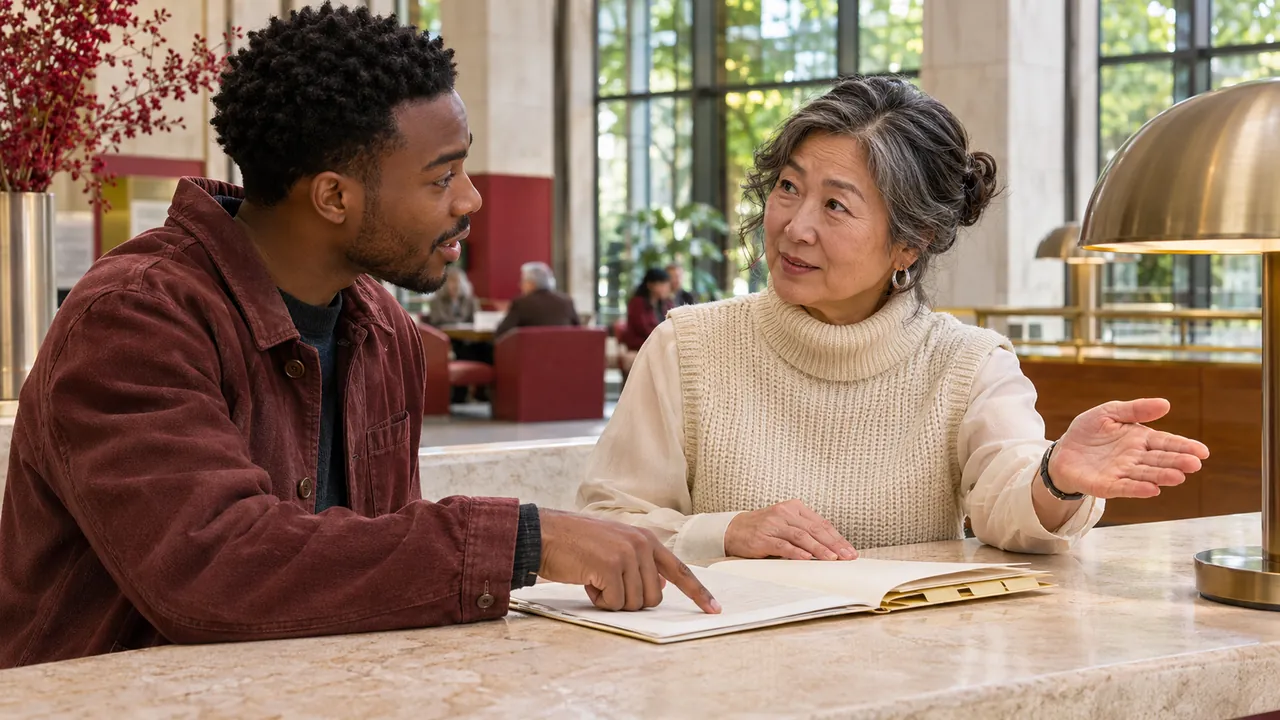
A visitor and a community desk coordinator discuss an open folder at the counter.

Coordinator field notes

Which office should receive a community workshop proposal?

Look for the office that chooses programs for the intended audience. An institutional phone number or email gives the coordinator a starting point. Its published purpose determines whether it fits the proposed workshop.

Read field note
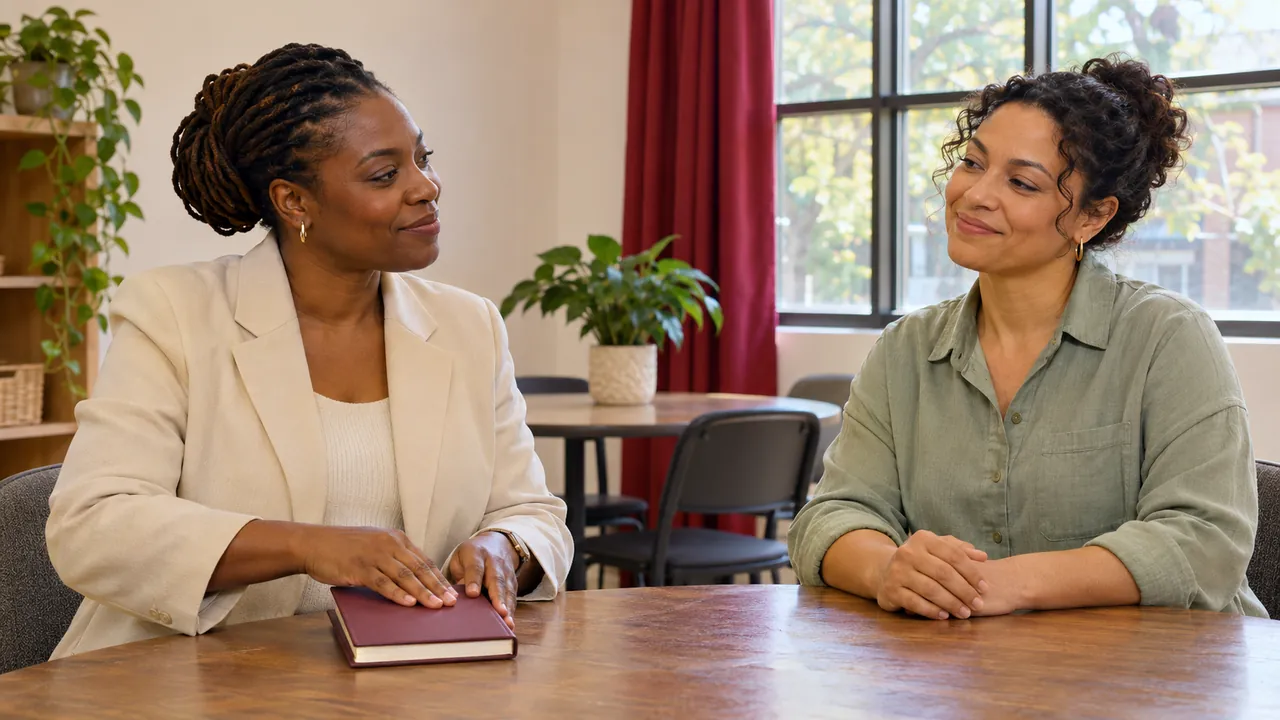
A facilitator rests her hands on a closed notebook as a conversation draws to a close.

Relationship stewardship

How to record a declined workshop invitation

Thank the organization, record its own words about follow-up in the approved form and return the assignment to the coordinator. A clear decline helps the next volunteer respect the same decision.

Read field note
A volunteer writes privately in a workbook beside a blank action card.

Strengths and service

Choosing a First Faithful Move in a strengths workshop

At a Gifts and Strengths workshop, a First Faithful Move is one action a participant chooses and can revisit. Test the invitation by giving someone a quiet way to decide what they will try, when they will review it and what they wish to keep private.

Read field note
A participant listens with a closed notebook and capped pen resting on the table.

Community listening

How to read back two different priorities at a Listening Post

A good read-back lets both perspectives survive the conversation. Ask what may be written down, capture each idea in plain language, then read the two themes aloud so participants can correct them.

Read field note
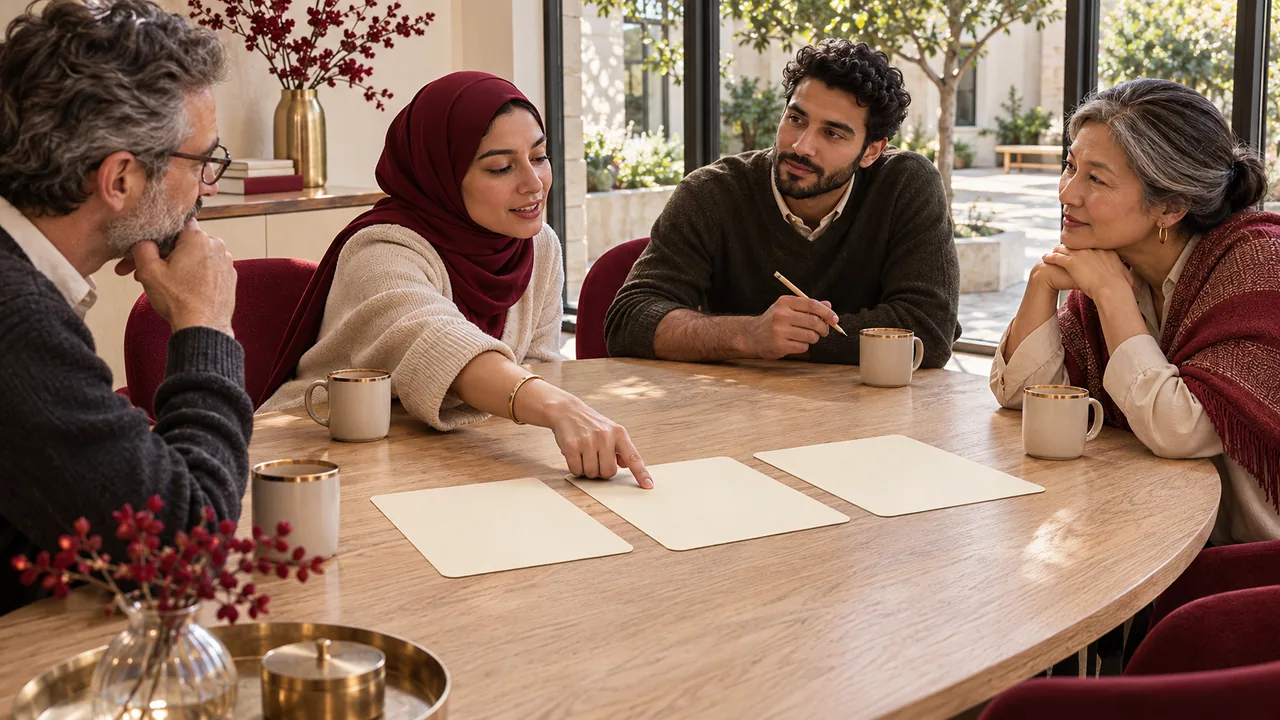
Four participants at a community roundtable choose a planning card for follow-up.

Community partnerships

How to ask permission for an introduction after a community roundtable

Turn a promising conversation into a follow-up the participants recognize. Write down what was discussed, ask whether an introduction is welcome, agree who will take the next step and choose a time to review it.

Read field note
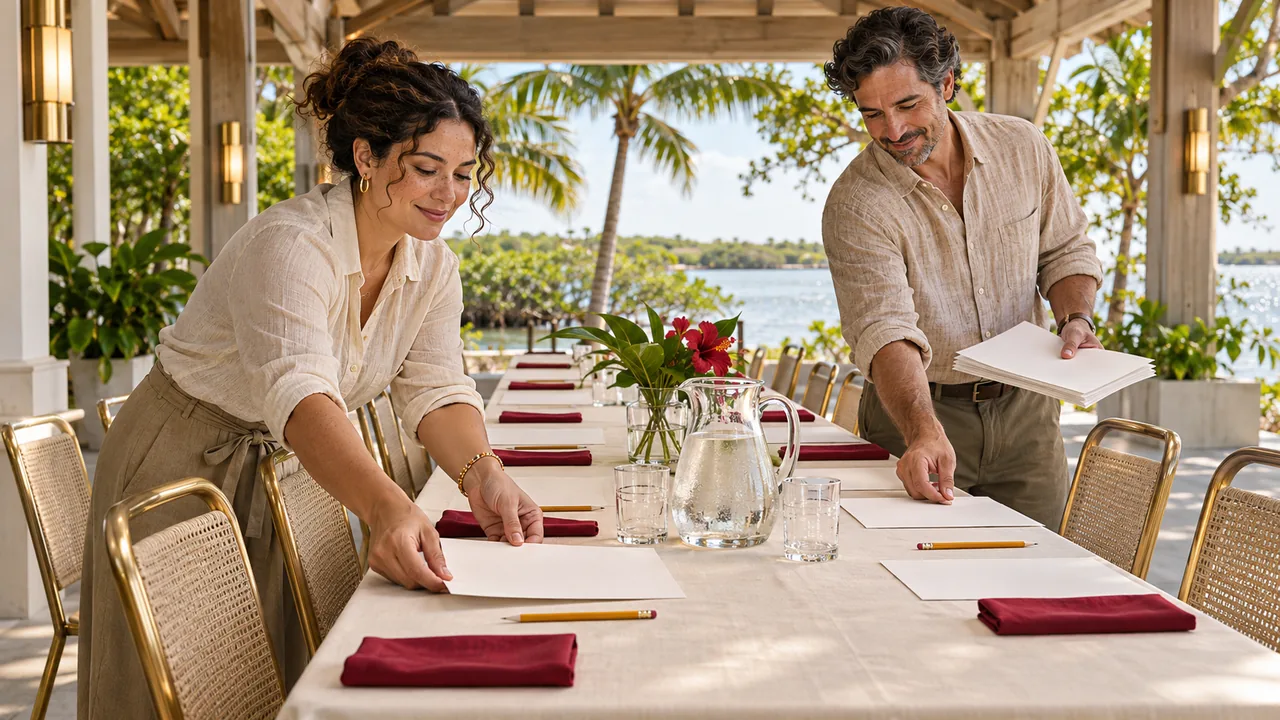
Two volunteers prepare paper, pencils and water for a workshop at a coastal pavilion.

Local host preparation

Preparing a South Shore Head, Heart, and Hand session

Prepare one accurate local reference, listen for the help a community partner actually welcomes and agree on a small action with a review time. A host can rehearse all three steps using a fictional venue and partner.

Read field note
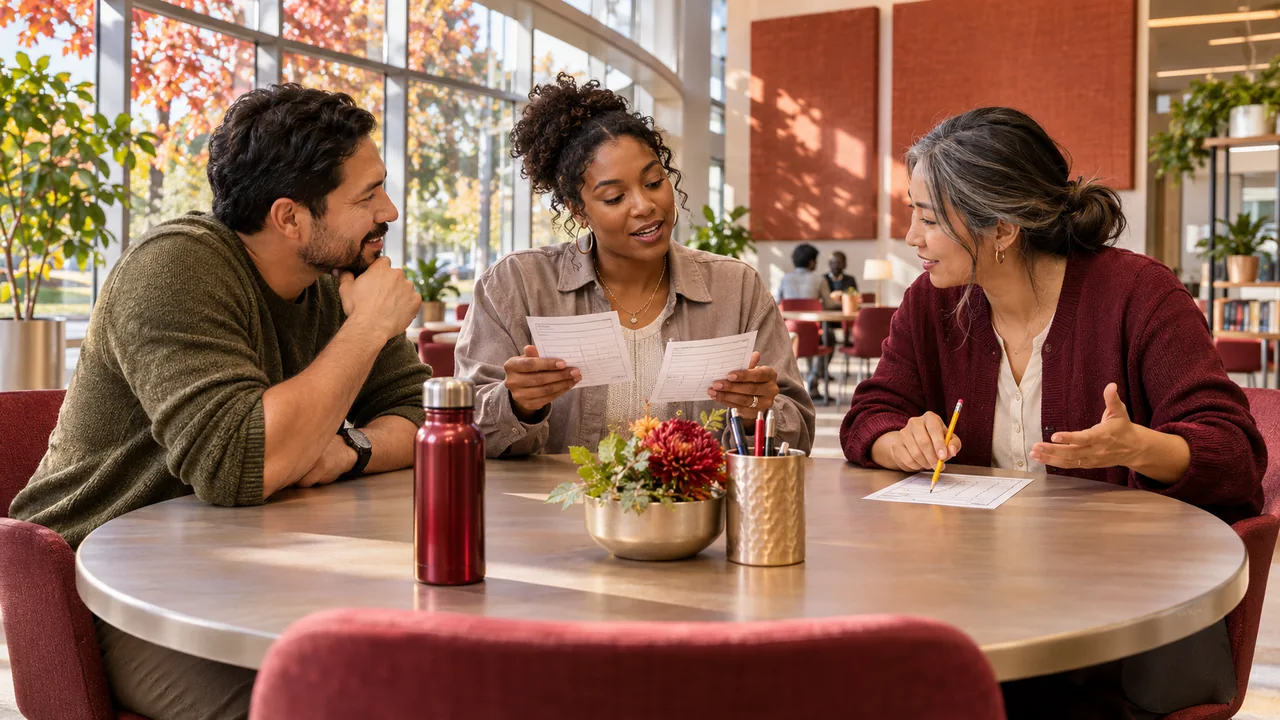
Three coworkers compare their individual service records around a round table.

Service records

How to count service hours for a volunteer team

Each volunteer records the time they actually served. People working side by side can each contribute an hour, while one person completing two forms for that hour has contributed 60 minutes.

Read field note
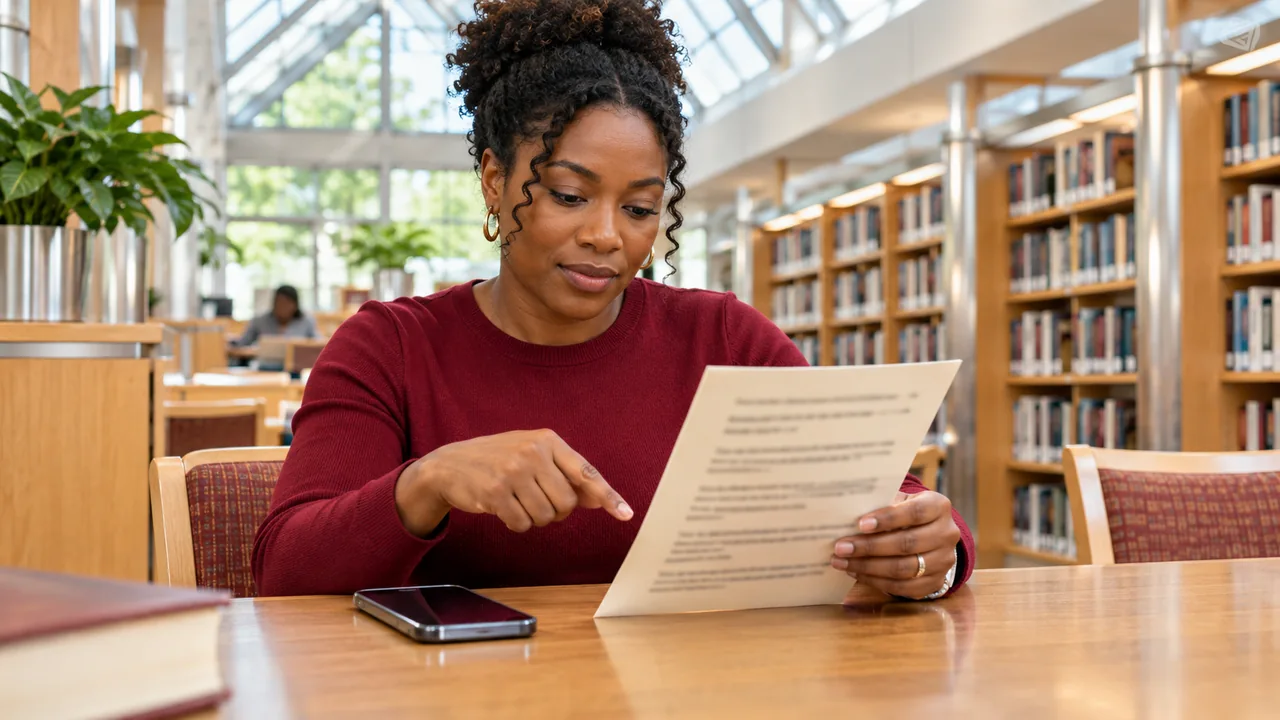
A volunteer reads printed instructions at a library table with her phone beside her.

Participant testing

How to test one workshop on paper and on a phone

Give both formats the same task. Then observe what a participant can find, understand and complete in each one. A difference between the two versions gives the workshop team something specific to improve.

Read field note
An open notebook and brass timer on a table as volunteers work in the background.

Volunteer Studio

How to use your volunteer service code and receipt

Assignment selection issues a private service code. A successful submission issues a receipt. Keep the code for your next form and the receipt as a reference for the record you just submitted.

Read field note
Two people listening to one another across a sunlit library table.

Community listening

How to turn a listening conversation into a community brief

Capture what a community wants to learn, the conditions that would help and the next step it has actually welcomed. A short listening brief holds all three.

Read field note
A quiet workshop room set with notebooks and glasses of water.

Group facilitation

How to facilitate a hybrid community workshop

Give the room and the remote participants the same prompt, the same thinking time and a way to contribute. Try this sequence in the one-hour facilitator simulation.

Read field note
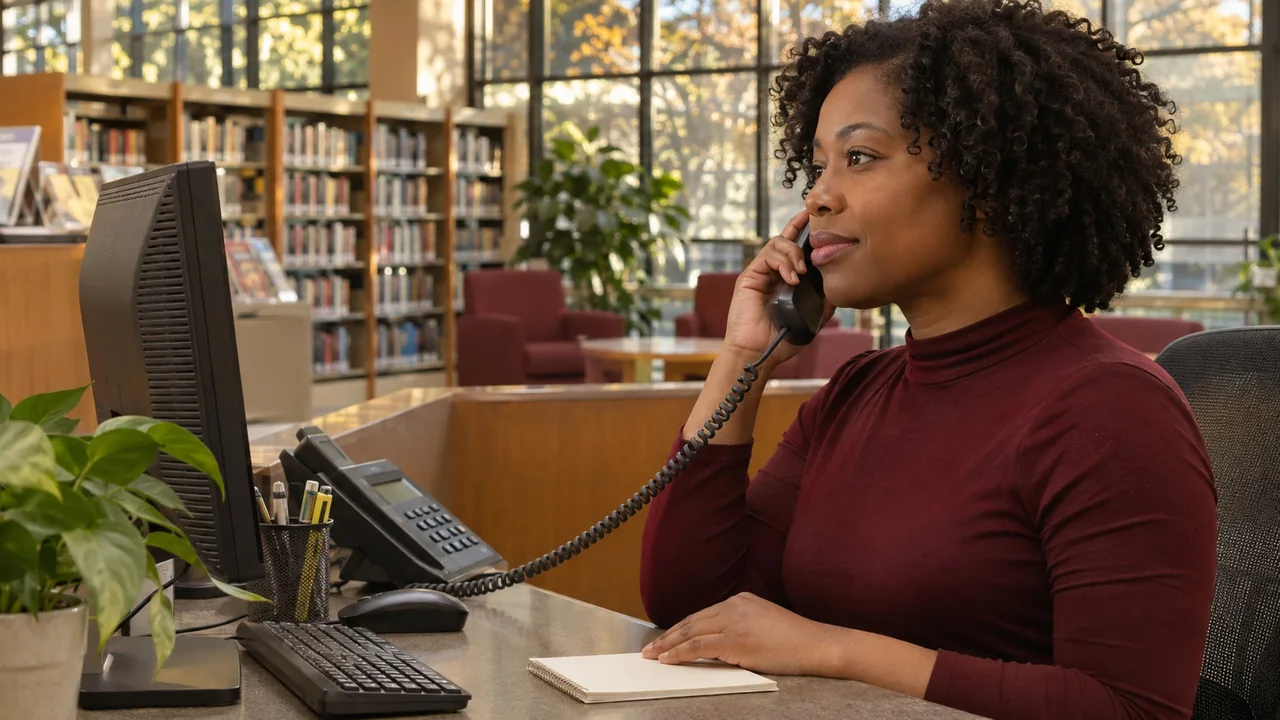
A library team member taking a phone call beside the public desk.

Community hosts

A first workshop brief for a public library

A one-page library workshop brief starts with what a visitor should leave able to do. Build the invitation, materials and room plan around that single outcome.

Read field note
A blank spiral-bound page with a pencil in afternoon sunlight.

Educational discovery

How to retest a revised workshop worksheet

Test one revised instruction with a fresh reader. Compare what the reader did, where they paused and whether the change helped them finish independently.

Read field note
A coordinator reviewing a worksheet beside an open laptop.

Coordinator practice

How to reconcile a volunteer outreach assignment

A second copy of a report can look like a second call. Use the original assignment, the volunteer’s receipt and the actual contact history to decide what happened and whether anyone may follow up.

Read field note
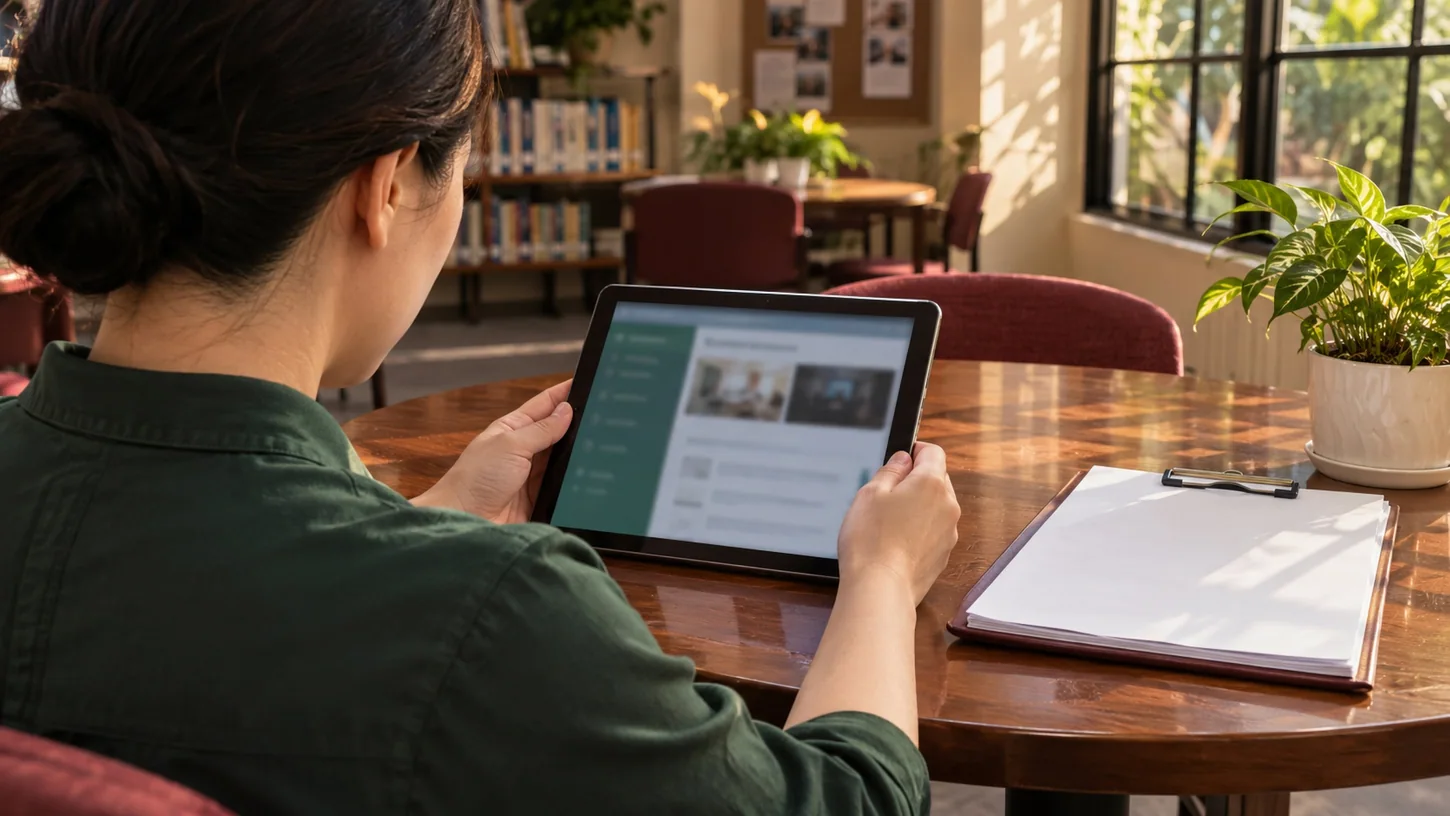
A participant testing a learning activity on a tablet.

Accessible learning

How to test captions in a volunteer training video

Try one guided reflection with captions turned on. A timestamp, the instruction you saw and the moment you needed to pause give a video editor something specific to improve.

Read field note
A laptop displaying a grid of remote participants beside a plant.

Virtual volunteering

How to volunteer virtually while local outreach is on hold

You can complete meaningful service from any state or Washington, DC while a prospective host awaits review. Choose an educational exercise, record what you learned about the material and report your actual time.

Read field note
A worksheet and pencil in clear morning light.

Volunteer fieldwork

How to use your individual volunteer assignment

Start with the organization, task and contact route released to you. A short preparation step helps you make a useful introduction and leaves the coordinator a clear record.

Read field note
A phone and a notebook prepared for a service call.

Community relationships

Which contact route fits a community partner?

A library program desk, university engagement office and chamber events team handle different requests. Use the audience and purpose of the conversation to identify a role, then verify the channel.

Read field note
A small group listening around a table.

Corporate volunteering

How to plan a two-hour Giving Tuesday service session

Turn two hours into five documented outreach attempts or a complete workshop test. Give every team member a clear job and a way to report what happened.

Read field note
A conversation between community hosts.

Community relationships

How to open a community workshop conversation

A useful first conversation identifies the audience, a local need and permission for a specific next step.

Read field note
A group reviewing a screen together.

Participant experience

How to give workshop feedback a designer can use

Capture the exact step, the barrier and the change you would test next, whether you are using a phone, a keyboard or a printed worksheet.

Read field note
Two colleagues reviewing material together.

Facilitation

A practical guide to facilitating a small volunteer group

Use quiet reflection, optional sharing and independent feedback to turn a group workshop into a useful service experience.

Read field note