Convergence Q45 ·
Begin with the office that knows the audience
A library programming desk, community engagement office or chamber program team can explain how learning opportunities are selected. Use the contact assigned by the coordinator. Read the organization’s current programming, then choose a single reason the conversation might be relevant.
Ask questions that leave room for an unexpected answer
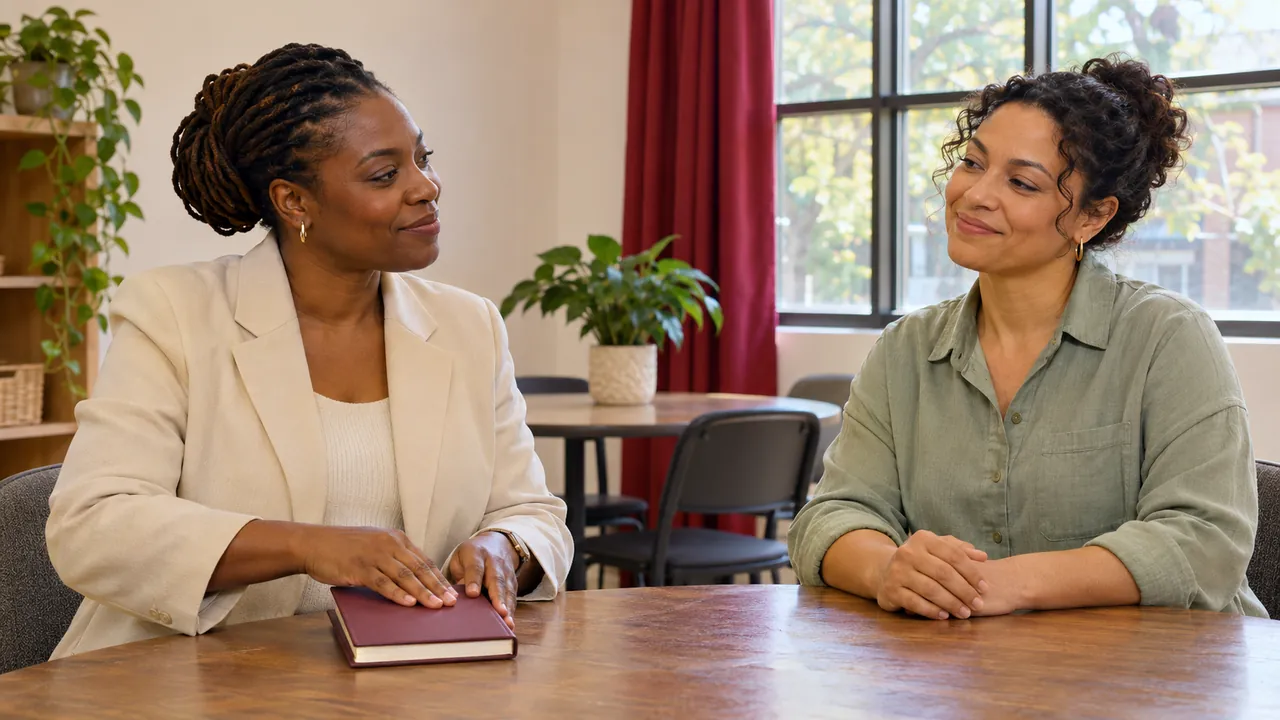
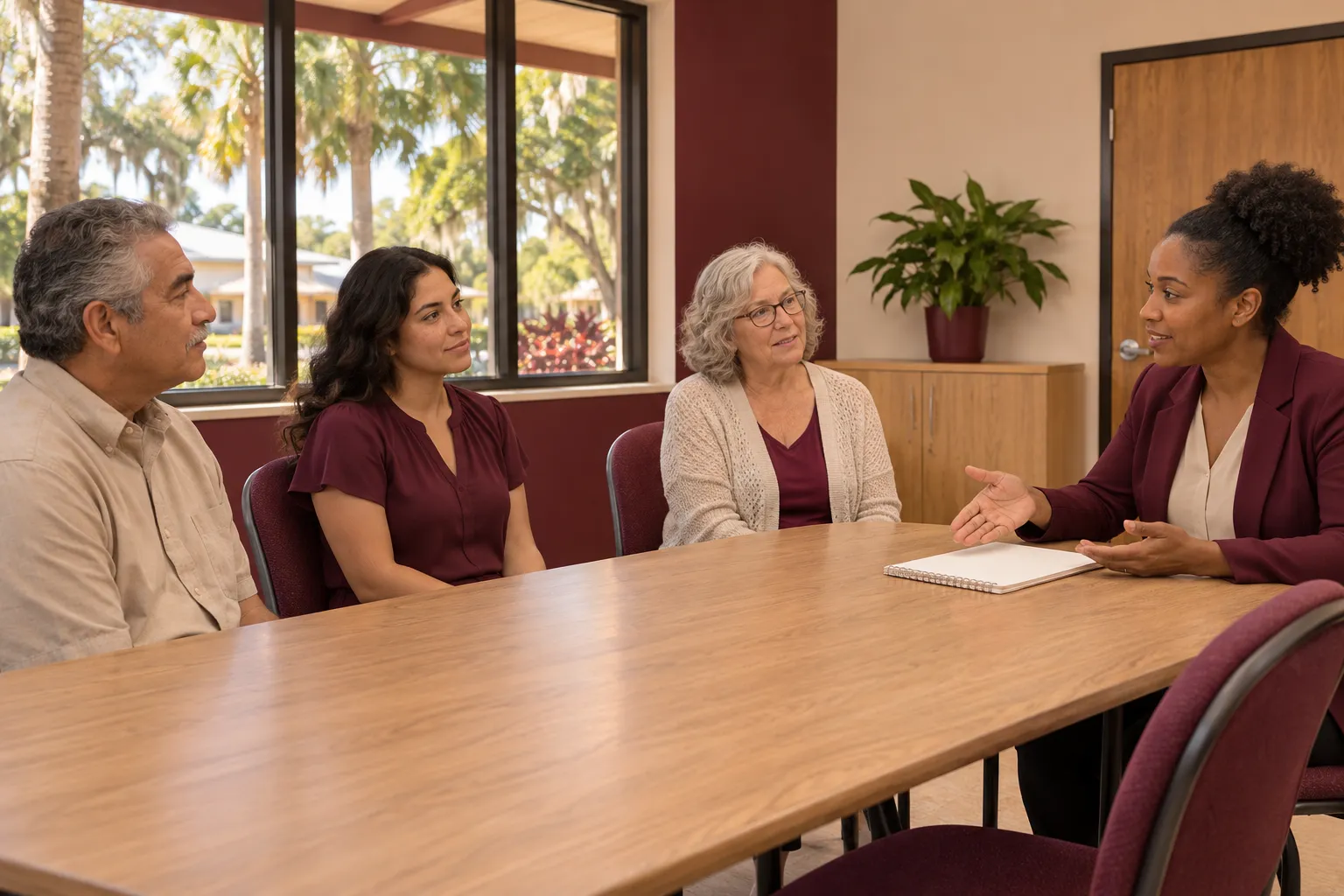
Try “What are people asking your team to help them learn?” Then ask which format, timing or access considerations make a difference. A virtual session may work for caregivers and shift workers. A small in-person table may suit a group that learns by talking through a problem. Let the host describe those conditions.

Offer one relevant example
A library might welcome digital confidence or a literary gathering. A professional network may want leadership or responsible AI. A faith community can choose a spiritual formation program if it fits its audience. Ask which example deserves a second conversation and leave unselected topics for another time.
Capture permission in the host’s own terms
Ask whether the coordinator may send a short menu, through which office and by what channel. Record a decline or a request to stop immediately. A positive conversation gives the coordinator something specific to review. Workshop dates, fees and formal partnerships require separate approval.