Convergence Gifts · 19 min read
How Spiritual Gifts Can Serve Through Work and Community Life
Explore how Christian spiritual gifts may appear through vocation, entrepreneurship, healthcare, education, research, neighborhood service, and everyday relationships.
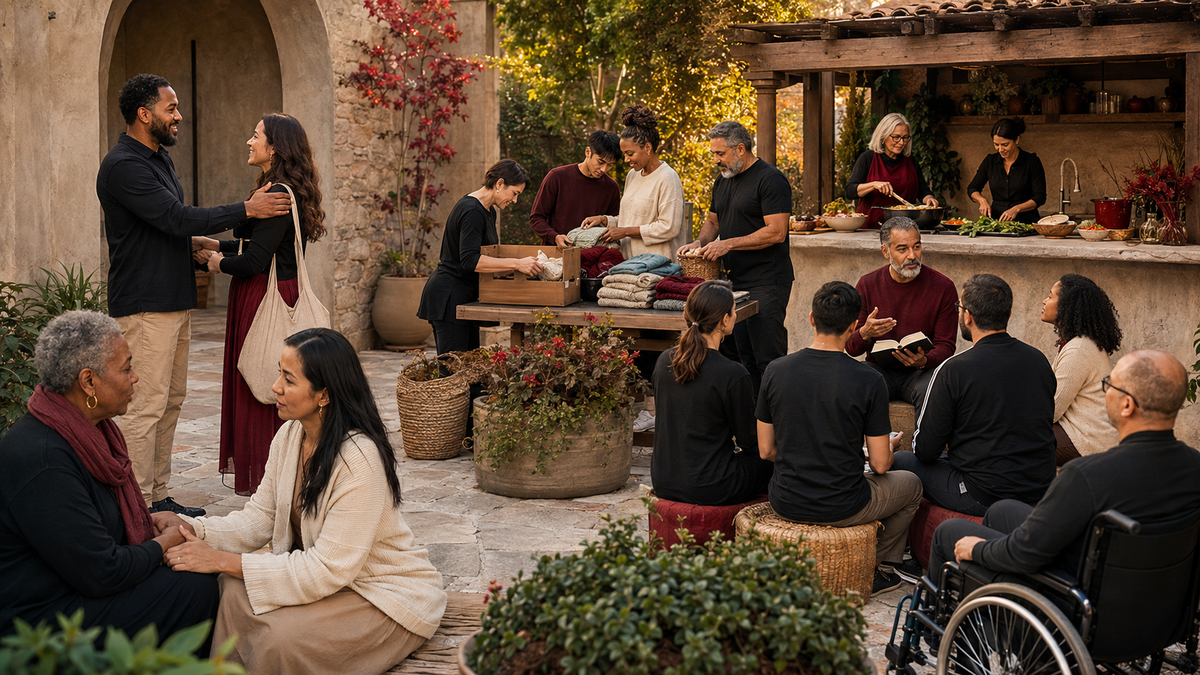
Grace moves through ordinary settings
Spiritual gifts may become visible in congregational ministry, professional work, family life, entrepreneurship, scholarship, civic service, friendship, and neighborhood relationships. The setting changes the language and responsibility of expression while the purpose remains faithful service that strengthens people and contributes to the common good.
Notice the form a gift takes
Administration may create a dependable clinical or community process. Mercy may shape dignifying care. Wisdom may guide complex decisions. Teaching may translate difficult knowledge. Leadership may mobilize a cross functional team. Hospitality may create belonging in a workplace. Giving may release access, resources, or opportunity.
Honor professional standards
Healthcare, research, education, law, finance, counseling, and other fields carry defined duties, evidence standards, privacy rules, scope boundaries, and ethical obligations. Christian conviction can deepen service while professional responsibilities continue to govern professional action.
Use context sensitive language
A Christian may pray privately, seek wisdom, and recognize spiritual motivation while communicating through language appropriate to the setting. Explicit spiritual conversation belongs within permission, relationship, workplace policy, and respect for the other person’s agency.
Gather evidence across settings
Compare patterns from church, work, home, and community life. Ask where the same underlying grace appears through different behaviors. Repeated fruit across settings can strengthen understanding, while context specific strength may reveal a specialized assignment or opportunity.
Invite witnesses from several worlds
A pastor may observe ministry expression. A colleague may recognize judgment, service, leadership, or care. A community partner may describe trust and practical fruit. A family member may see consistency across ordinary life. Independent perspectives help the participant understand the whole pattern.
Choose a bounded vocational experiment
Identify one workplace or community practice aligned with professional responsibility: mentoring, simplifying a process, welcoming a new colleague, teaching a skill, organizing a service initiative, or offering practical support. Define the desired benefit, time boundary, collaborators, and feedback method.
Steward vocation as a place of formation
Review how the practice affected people, quality, trust, equity, capacity, and mission. Note which gift expressions appeared and which skills deserve development. Vocation becomes a continuing place where grace, expertise, responsibility, and service mature together.