Convergence Gifts · 18 min read
How Churches Can Help Adults Discover and Steward Spiritual Gifts
A complete Christian community pathway for helping adults recognize spiritual gifts through Scripture, evidence, practice, confirmation, and accountable service.
Begin with belonging
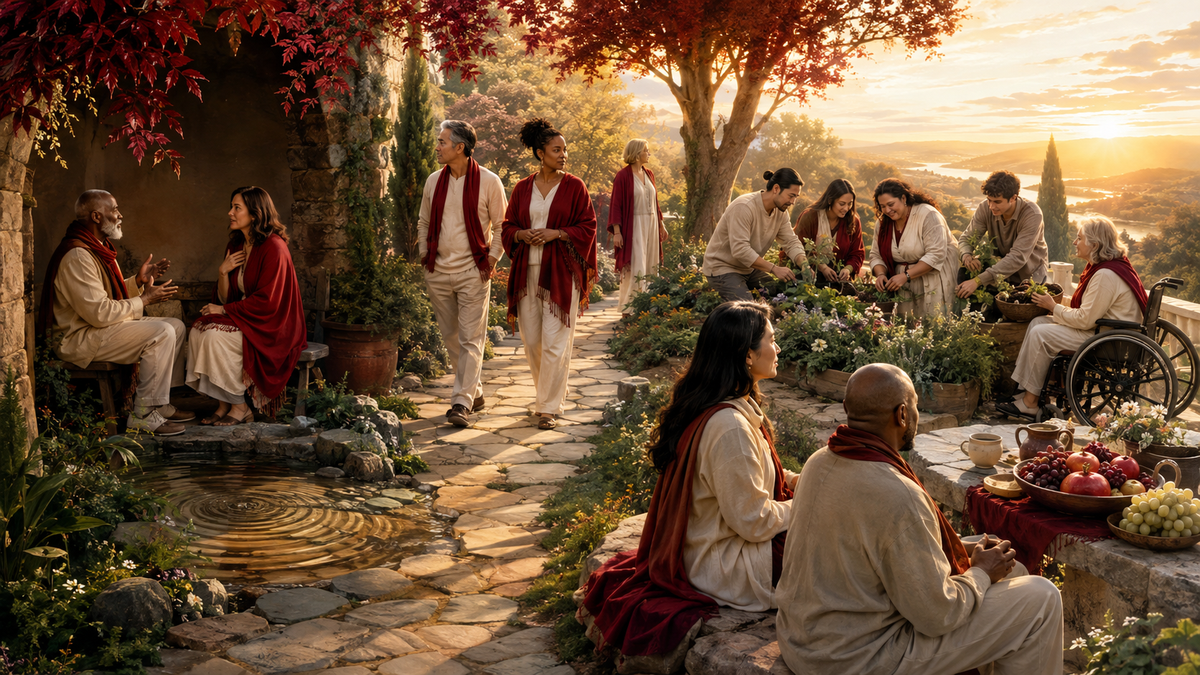
Adults explore spiritual gifts most fruitfully within a community where belonging precedes performance. Leaders can explain that every person carries equal dignity, every gift comes from God, and gifts serve the common good. A welcoming beginning creates room for honest reflection across different ages, cultures, abilities, church histories, and levels of ministry experience.
Teach the biblical purpose
Romans 12, 1 Corinthians 12–14, Ephesians 4, and 1 Peter 4 place gifts within grace, interdependence, love, maturity, worship, witness, and service. Teach whole passages in context. Emphasize that spiritual gifts strengthen people and communities, and that mature expression includes character, truthfulness, order, accountability, and care.
Gather several forms of evidence
Invite adults to examine Resonance, Practice, Fruit, Confirmation, and Stewardship. Inward recognition can open a question. Repeated service, observable benefit, community examples, and responsible practice widen the evidence. Convergence Gifts uses 105 original statements so each of 21 gift expressions receives one prompt in every evidence dimension.
Create supervised practice
Offer bounded opportunities matched to present experience. Adults may welcome newcomers, coordinate a service project, teach a brief lesson, encourage someone with permission, organize resources, pray under mature oversight, or help a team evaluate a need. Name the facilitator, purpose, boundaries, people served, expected fruit, and review point.
Invite community confirmation
Ask mature leaders, peers, teammates, and recipients to name concrete observations independently. Useful confirmation describes the setting, repeated behavior, credible fruit, stewardship strengths, and areas for growth. Independent examples reduce social pressure and help a participant see patterns across church, home, work, and community life.
Connect discovery with real service
A church can maintain a visible pathway from discovery into proportionate opportunities. Each opportunity should include a clear role description, training, accessibility, supervision, time expectations, safeguarding, feedback, and freedom to conclude the assignment. Service becomes formation when reflection accompanies action.
Review fruit and repair
Schedule reflection after the practice. Ask whom the action served, what occurred, which feedback emerged, what remained uncertain, where boundaries helped, and what deserves repair. A culture that welcomes correction helps gifts mature with humility and trust.
Continue the formation cycle
Return to Hear, Discern, Respond, and Steward. Adults may deepen the same gift, explore a constellation, strengthen a stewardship area, or enter another service context. The church becomes a living learning community where grace is recognized, practiced, confirmed, and released for shared flourishing.